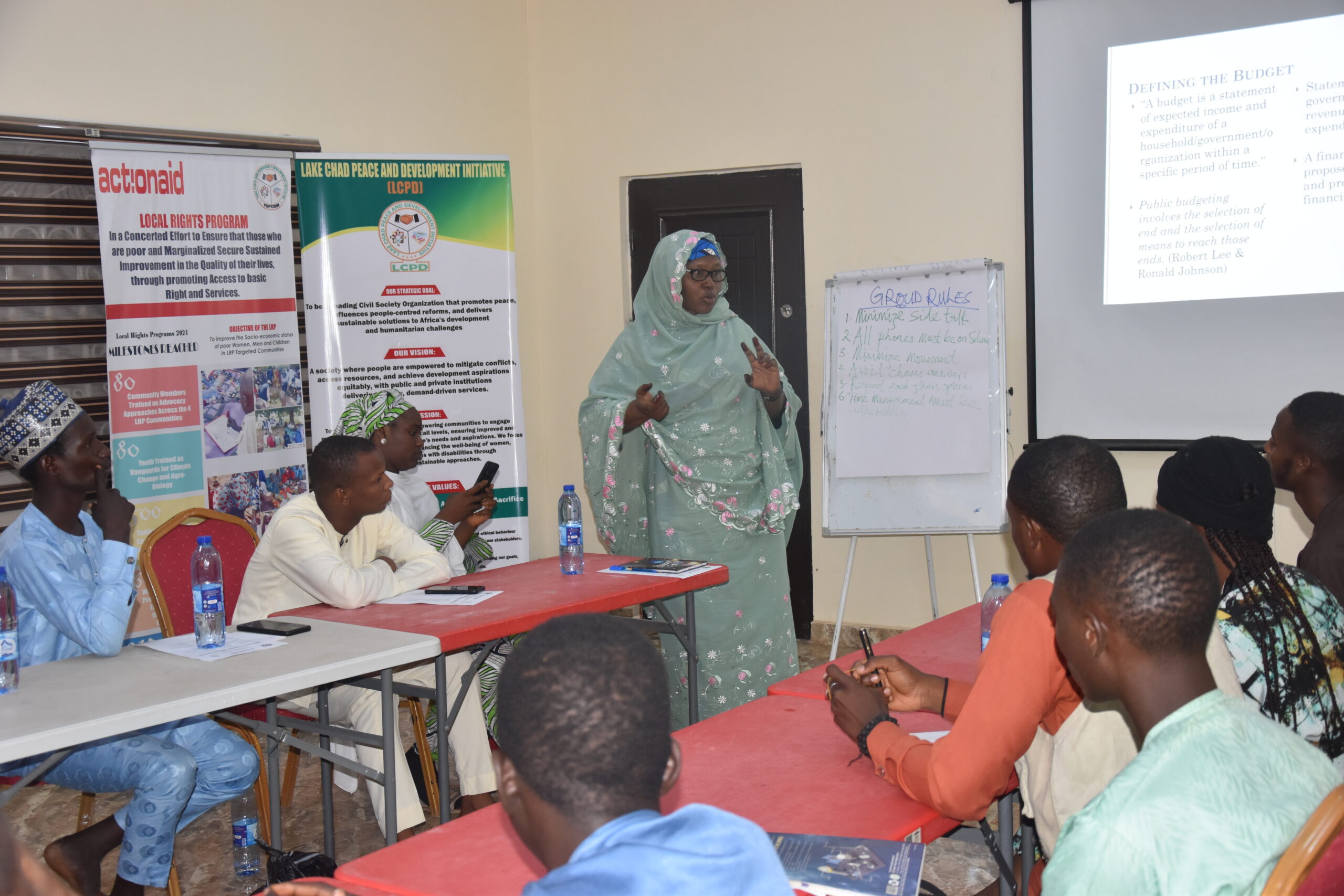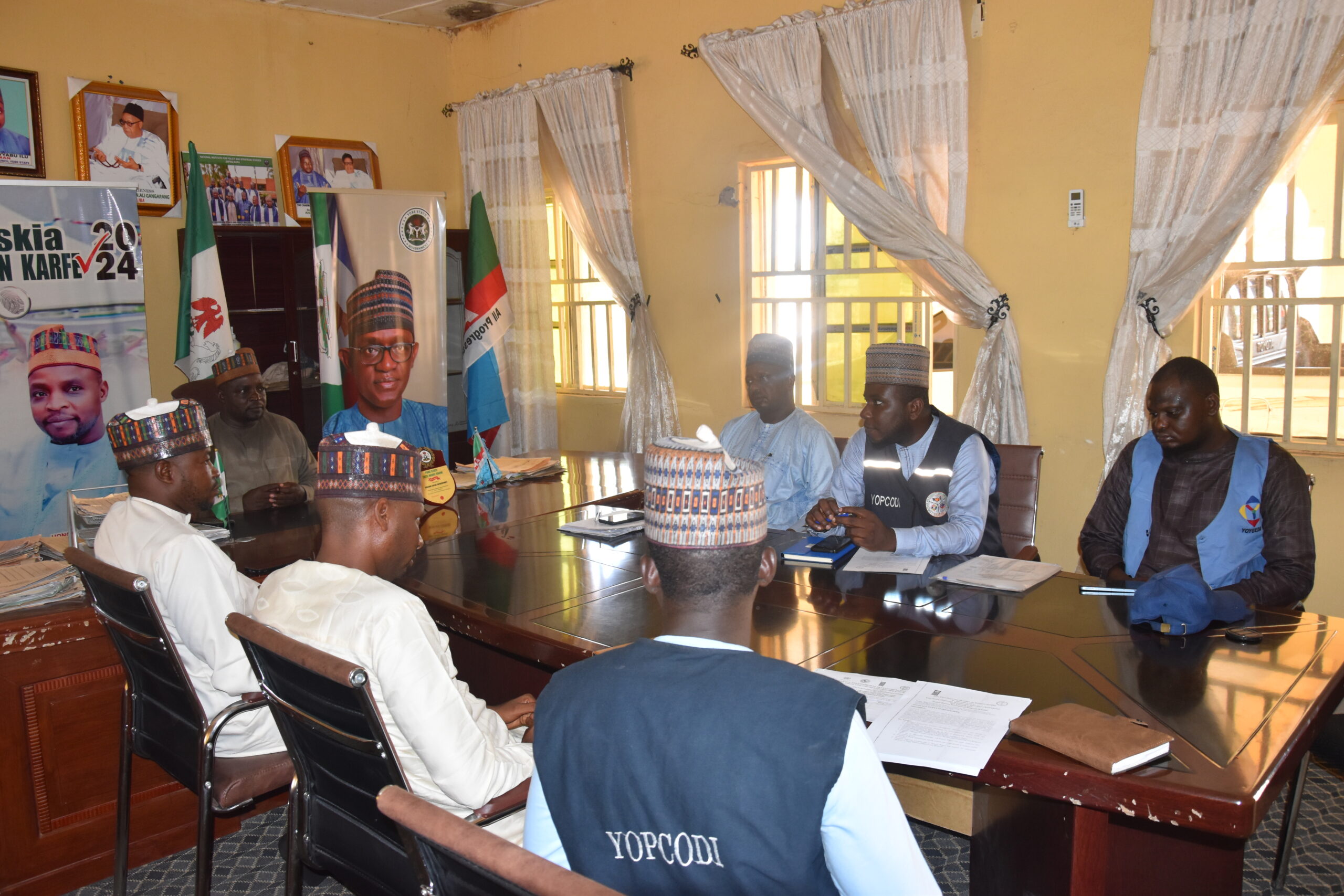
Our Governance and Human Rights Program approach recognizes that decentralized governance structures such as the federalism model practiced in Nigeria play a crucial role in delivering essential services and ensuring citizens’ participation in decision-making. However, weak institutional frameworks, corruption, and limited capacity at the local government level hinder effective service delivery.
Strengthening local governance institutions is essential to promoting equitable development, social cohesion, and trust between the government and its citizens. Systemic human rights violations, particularly against women, children, and persons with disabilities (PWDs), remain widespread. These abuses are fueled by weak enforcement of existing legal protections, cultural barriers, and a lack of access to justice.
Strengthening human rights protections requires a multi-faceted approach, including legal reforms, capacity-building for law enforcement, and community-led initiatives to challenge harmful social norms. Civil society organizations, the media, and grassroots movements are critical in holding governments accountable, advocating for social justice, and driving policy change. However, these actors often face challenges such as government restrictions, financial constraints, and threats to press freedom.
Strengthening civil society’s role in governance requires a conducive legal environment, capacity-building, and enhanced collaboration between the government and non-state actors.
LCPD’s Theory of Change states that:
If local institutions gain capacity in transparency, accountability, and participatory decision-making,
Then citizens enjoy inclusive governance and stronger rights protection,
Because they can hold authorities to account, access justice, and influence policy within reinforced rule-of-law frameworks.